

















After a long day, the right atmosphere can transform the way your home feels. Soft lighting, the gentle glow of candles, and thoughtfully chosen home fragrances can turn an ordinary evening into a moment of calm.
Creating a relaxing space does not require a renovation or a complete change of decor. Sometimes, a thoughtfully placed lamp or a softer source of light is enough to change the character of a room.
The key is to understand how different light sources work together. Warm bulbs, layered lighting, and carefully placed accents can make your interiors feel more inviting without compromising their everyday functionality.
At Gharko, we believe thoughtful home styling is about more than how a space looks. It is about creating an atmosphere that feels natural, comfortable, and personal. One approach we find especially effective in smaller settings is leaving some areas softly lit rather than trying to illuminate every corner equally. This creates depth while keeping the room practical and visually calm. Here are seven ambient lighting ideas to help you make your home feel more welcoming as the evening unfolds.
For a relaxing evening, start with warm-white lighting around 2700K-3000K, reduce harsh overhead light, and layer table, floor, and accent lamps across the room. Add candles or fragrance sparingly, while keeping enough illumination for reading and everyday movement.
Why Ambient Lighting Changes the Mood of a Room
Lighting influences how we experience a space. Bright, direct light can be useful during the day, but a living room or bedroom often benefits from a more considered arrangement in the evening.
Ambient lighting provides the general illumination of a room. Table lamps, floor lamps, and shaded fixtures can complement this light, while candles and accent lights introduce additional warmth and visual interest.
Rather than illuminating every corner equally, consider where you spend your time, which details you want to highlight, and how the light falls across furniture and surfaces.
A few thoughtful adjustments can help a familiar room feel different at the end of the day, without introducing unnecessary decor or making the space less practical.
7 Ambient Lighting Ideas for a Relaxing Evening
1. Choose Warm Lighting for a Softer Evening Atmosphere
One of the simplest ways to change the feel of your home after sunset is to reconsider the colour temperature and brightness of your bulbs.
Warm-white light, typically around 2700K–3000K, is a useful starting point for living rooms, bedrooms, and reading corners. It complements natural wood, neutral fabrics, and earthy finishes, making it well suited to interiors where comfort and understated elegance matter.
Brightness is equally important. Even a warm bulb can feel harsh when it is too powerful for the space. Where possible, consider dimmable lighting or lamps with fabric and frosted-glass shades that help diffuse direct light.
You do not need to replace every bulb in your home. Start with the lights you use most often in the evening and see how a warmer, more comfortable level of illumination changes the room.
Keep enough light for reading, moving around, and other everyday activities. The aim is to create a comfortable balance between visibility and atmosphere, rather than making the room unnecessarily dark.
2. Layer Your Lighting for Depth and Balance
A room illuminated by a single ceiling light can sometimes feel flat, even when the furniture and decor are beautifully arranged. Layered lighting introduces variation, highlights different areas, and creates a more considered atmosphere.
Begin with general illumination, then introduce additional light sources according to how you use the room. A table lamp beside the sofa may provide useful light for conversation, while a floor lamp near a reading chair can make that corner more functional.
A smaller decorative lamp on a console can add another point of interest without competing with the main seating area.
As evening approaches, reduce your reliance on unnecessary overhead lighting and allow these separate sources to work together. The result is a room with greater depth and a more natural distribution of light.
Explore Gharko's lamps and lighting collection for pieces that complement your existing interiors.
The important thing is to give each light source a purpose. When lighting is chosen and positioned thoughtfully, you can create a welcoming arrangement without filling the room with unnecessary fixtures.
3. Use Candles to Add Warmth and Character
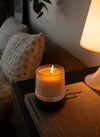
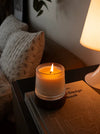
Few decor elements create the same intimate atmosphere as candlelight. Its gentle, flickering glow introduces a natural sense of movement that electric lighting alone cannot quite replicate.
Candles also work beautifully as decorative accents, adding texture and visual interest even when they are not lit. Their containers, colours, and finishes can complement your existing furniture and interior palette.
Consider how a candle fits into the arrangement rather than treating it as a standalone accessory.
On a coffee table, place a scented candle on a decorative tray alongside one small decorative object. On a console, pair a candle with a low vase and leave enough space between the pieces. For a dining table, choose a simple arrangement that does not interfere with conversation.
Resist the temptation to fill every available surface. One thoughtfully chosen candle or a small, coordinated group often creates a more refined effect than a crowded arrangement.
For a cohesive look, choose candle holders and containers that complement your furniture rather than competing with it.
Discover Gharko's candle collection for pieces that bring together decorative appeal and fragrance.
A note on safety: Keep burning candles on stable, heat-resistant surfaces, away from curtains and other flammable materials. Never leave them unattended, and extinguish them before leaving the room or going to sleep.
4. Let Fragrance Complement the Evening Mood
Once the lighting is in place, fragrance can complete the atmosphere without adding another visual element to the room. It works best as a supporting layer, helping a softly lit setting feel more personal and considered.
The best choice depends on your preferences and the mood you want to create. Woody notes can complement natural timber and earthy interiors, while subtle florals may suit lighter fabrics and softer colour palettes.
Rather than combining several strong fragrances in one room, choose one that works with the space and allows the scent to remain understated.
The way you display a fragrance product matters, too. A diffuser placed on a console beside a small vase or decorative tray can feel like a considered part of the decor rather than an afterthought.
Explore Gharko’s home fragrance collection for options that complement your evening routine.
5. Create a Relaxing Living Room with Ambient Lighting
The living room often serves several purposes throughout the day. It is where you unwind, spend time with family, read, or enjoy a quiet evening. Your lighting should adapt to these activities without making the space feel visually busy.
Begin by identifying the areas you use most. A sofa, reading chair, or favourite corner can each benefit from a dedicated light source.
A table lamp beside the sofa provides convenient illumination, while a floor lamp can introduce height and create a gentle pool of light. A smaller lamp near a reading nook makes the area feel distinct without separating it from the rest of the room.
For smaller consoles, shelves or side tables, a cordless lamp such as the Nova Pure White Portable Mushroom Lamp can create a soft pool of light without visible wiring. Its dimmable design also makes it easy to adjust the brightness as the evening progresses.
For a more considered arrangement, try placing a sculptural table lamp on a console, with a low vase beside it and a candle on a separate tray. The difference in height creates visual interest, while the clear space around each object keeps the arrangement from feeling crowded.
Pair warm lighting with natural wood, textured fabrics, and neutral tones to create a cohesive appearance. Reflective surfaces can add character, but make sure lamps are positioned to avoid distracting glare.
The goal is to create several comfortable pockets of light rather than one overwhelmingly bright room.
6. Make Your Bedroom Feel Softer and More Inviting
A bedroom should feel restful without losing its everyday functionality. The right ambient lighting can make the space feel more comfortable at night while ensuring there is enough illumination for reading, dressing, and other routines.
Start with a bedside lamp that provides comfortable light. A shade helps diffuse the illumination, while a warm-white bulb can complement the softer textures commonly found in bedrooms.
If you prefer a cordless bedside arrangement, the Pebble Marble Portable Table Lamp combines dimmable 3000K warm light with a compact sculptural form, making it easy to introduce softer illumination without adding cable clutter around the bed.
Pay attention to proportion, too. A lamp should feel balanced beside the bed rather than overwhelming a small bedside table or disappearing beside larger furniture.
For a simple arrangement, pair a compact shaded lamp with neutral bedding and a textured throw. Keep the bedside surface relatively clear, perhaps with a book and one small decorative accessory. This gives the lamp room to stand out while leaving the space practical to use.
If you read before sleeping, choose a lamp that provides enough focused light without shining directly into your eyes. Dimmable lighting can also help you adjust the brightness to suit different activities.
If you enjoy the appearance of candlelight near the bed, flameless LED candles offer a decorative alternative, particularly around bedding and curtains.
A thoughtfully styled bedroom does not need an abundance of decor. Soft illumination, comfortable textures, and a few well-chosen accents are often enough to create a space that feels personal and peaceful.
7. Highlight Your Favourite Decor with Accent Lighting
Lighting can draw attention to the details that give your home its character. A sculptural vase, framed artwork, textured wall, or carefully arranged bookshelf can become a focal point when illuminated thoughtfully.
Accent lighting differs from general ambient lighting because its purpose is to highlight particular features. Used alongside other light sources, it introduces depth and gives the eye somewhere to settle.
Instead of highlighting everything, choose one or two features that deserve attention. A small lamp on a bookshelf can bring a quiet corner to life, while a carefully positioned light near a reading chair can help define the space.
Consider the direction and intensity of the light, too. Soft, indirect illumination can reveal textures and finishes without producing distracting glare.
When lighting and decor work together, even a modest corner can feel thoughtfully composed. The effect comes from selecting the right details, not from illuminating every object in the room.
Common Lighting Mistakes That Make a Room Feel Less Inviting
Even beautiful lighting fixtures can feel out of place when the overall arrangement lacks balance. A few common mistakes are worth avoiding when styling your home.
- Relying only on overhead lighting: Introduce table lamps, floor lamps, or suitable accent lights to create depth.
- Choosing excessively bright bulbs: Match brightness to the activity and use dimmable options where appropriate.
- Mixing too many colour temperatures: Keep nearby light sources reasonably consistent for a more harmonious appearance.
- Positioning lamps where they cause glare: Adjust their placement so direct light does not shine into your eyes or reflect uncomfortably off screens.
- Overcrowding surfaces: Give candles, lamps, and decorative objects enough space to stand out.
- Ignoring task lighting: Make sure areas used for reading and everyday activities remain adequately illuminated.
- Using candles carelessly: Keep burning candles away from flammable materials and never leave them unattended.
A well-designed lighting scheme balances atmosphere with functionality. The room should feel comfortable in the evening while remaining practical for the way you live.
A Simple Five-Minute Evening Lighting Routine
Creating a relaxing atmosphere does not have to involve changing your surroundings every night. A few small habits can help your home transition naturally from the busyness of the day to a quieter evening.
- Minute 1: Reduce unnecessary brightness. Switch off lights you no longer need, particularly overhead fixtures that feel too bright for the activity.
- Minute 2: Turn on your main lamps. Use your table or floor lamps to provide comfortable illumination in the living area.
- Minute 3: Introduce one accent light. Bring attention to a reading corner, console, or favourite decorative feature.
- Minute 4: Clear a little space. Straighten a few cushions or remove everyday items from the coffee table and nearby surfaces.
- Minute 5: Add the finishing touch. If you enjoy fragrance, use a diffuser according to its instructions. Alternatively, light a candle safely while you remain in the room.
You do not need to follow every step every evening. The idea is to find a few simple adjustments that make your home feel ready for the hours ahead.
Conclusion
Creating a relaxing evening atmosphere is about choosing the right light, placing it thoughtfully, and allowing each element to complement the space around it. Warm bulbs, layered lamps, and a few carefully chosen details can make an everyday room feel more inviting without changing your entire interior.
Start with the lighting you already have and make small adjustments before adding anything new.
Sometimes, all it takes is a softer light and a little more intention to make home feel like the best place to be.
Frequently Asked Questions About Ambient Lighting for Home
-
What is the best ambient lighting for a relaxing evening?
Warm-white table lamps, floor lamps, shaded fixtures, and dimmable lighting are useful options. Combining several light sources can create a more comfortable atmosphere than relying entirely on a bright overhead light. -
How can I create ambient room lighting without renovating my home?
Start with existing lamps and suitable warm-white bulbs. Reposition light sources in different parts of the room, reduce unnecessary overhead lighting, and use a small accent lamp where needed. These adjustments can change the atmosphere without requiring new furniture or major changes to your decor. -
What is the difference between ambient lighting and accent lighting?
Ambient lighting provides general illumination throughout a room. Accent lighting draws attention to specific features, such as artwork, decorative objects, shelves, or architectural details. Combining the two creates depth while keeping the room practical to use. -
What colour temperature is best for evening lighting?
Warm-white lighting around 2700K–3000K is a useful starting point for living rooms and bedrooms. The ideal choice depends on personal preference, the room's finishes, and the activities taking place there. Brightness and the way a bulb is shaded also influence the final effect. -
Can I create ambient lighting with lamps and candles alone?
Table and floor lamps can provide much of the illumination needed for a comfortable evening setting, while candles add a decorative glow. Make sure the room remains sufficiently lit for safe movement, and never leave a burning candle unattended.


