
















Designing a beautiful home goes beyond adding stylish decor. It’s about creating a space that fits your lifestyle and feels good to live in every day.
Even with the best intentions, it’s easy to fall into common design traps. Maybe there are too many statement pieces or a trendy chair that looks great but is uncomfortable. These small mistakes don’t just affect the look of your space. They also change how it feels.
I’ve seen it often: mismatched styles, awkward layouts, poor lighting, or missing essentials like rugs and storage. The result is a home that feels cluttered or disconnected.
At Gharko, we focus on comfort, warmth, and timeless appeal. From layered lighting to soft furnishings, each piece should support the way you live.
In this guide, you’ll learn how to spot and fix 12 of the most common interior design mistakes. These practical tips will help you create a space that feels intentional, balanced, and truly yours.
Why Interior Design Mistakes Matter More Than You Think
Designing your home goes beyond picking colors or buying decor. It’s about creating a space that feels good to live in every day. Even small mistakes like poor lighting, awkward furniture placement, or clashing styles can disrupt flow and comfort. These aren’t just home decor fails; they affect how your space functions and how you feel in it.
Every corner of your home reflects your lifestyle. A cluttered layout or low-quality decor can make it feel chaotic instead of calming. At Gharko, we focus on intentional design, from comfort furniture that’s made to be lived in to rugs that ground your space with ease.
Rather than chasing fast-changing decor trends, choose timeless pieces that support your daily life. Thoughtful design isn't about perfection. It's about creating a home that works for you. Start by avoiding these common interior design mistakes and build a space that feels functional, calm, and completely your own.
12 Common Interior Design Mistakes to Avoid
1. Overcrowding with Furniture: When More Turns into a Messy Nightmare
Trying to make a space feel inviting by filling every corner with furniture often has the opposite effect. Too much furniture disrupts flow, limits movement, and makes a room feel cramped rather than comfortable. Instead of adding more, focus on what truly serves the space. Choose essential, comfort‑focused pieces that support both function and ease. Leave enough room between furniture so the layout feels breathable, especially in smaller rooms where scale matters most.
At Gharko, we believe thoughtful spacing is just as important as the furniture itself. A few well‑chosen pieces can anchor the room and create balance. When you allow space to exist, your home feels calmer, lighter, and far more welcoming.

2. Skimping on Quality Materials: The Hidden Cost of Cheap Decor
Low-quality decor might seem like a budget-friendly win, but it often leads to long-term regret. Flimsy finishes, peeling veneers, and wobbly furniture not only look cheap over time but also undercut your entire design. These are the low-quality home decor problems that cost more in the long run.
Instead of filling your space with fast fixes, invest in fewer but better-quality pieces. Prioritize materials that age well- like real wood, natural fibers, and durable metals. These elements not only last longer but also elevate the overall feel of your home.
At Gharko, every product is designed with longevity in mind—built to last, both in style and in strength. A thoughtfully chosen console table or woven rug can outlive trends and become a staple in your space. When you choose quality, you don’t just buy decor, you invest in a home that grows more beautiful over time.

3. Lighting Mistakes That Ruin Home Interiors: Why Your Home Feels Off
Lighting does more than brighten a room; it shapes how your home feels. So why do so many beautifully designed spaces still feel dull? One of the most common home lighting mistakes is relying only on overhead lights or using harsh, cold bulbs that flatten the mood.
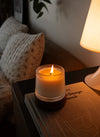
The fix? Layer your lighting. Use ambient light for warmth, task lighting for areas like kitchen counters or desks, and accent lights to highlight artwork or decor.
At Gharko, our lighting collection brings both function and warmth to your space. From portable lamps that move with your mood to dimmable lamps that adjust to any setting, each piece helps create a layered glow that feels soft and intentional. With the right lighting mix, your home feels calm, cozy, and complete from morning to night.

Also read- How to Use Lighting to Create Mood: Warm, Cozy, and Ambient Ideas
4. Compromising on Storage: The Pitfall of Impractical Design Choices
A beautiful home without storage quickly turns frustrating. Clutter builds up when there’s nowhere to keep everyday items. Overlooking home storage is a common design mistake, especially when looks are chosen over practicality.
The solution is simple: make storage part of your layout. Use smart shelving, under-bed drawers, built-ins, or multipurpose furniture to keep things organized without sacrificing style.
At Gharko, our storage-friendly pieces blend effortlessly into your home decor, helping you stay tidy while keeping your space beautiful. A clutter-free home not only looks better, it feels more peaceful and functions more smoothly.
When storage fits your space and lifestyle, your home becomes easier to live in and easier to love.

Also read- Simple Ways to Reduce Home Clutter
5. Forgetting the Theme: How Mismatched Decor Ruins Your Vibe
Mixing styles can be fun, but without a clear theme, your home can quickly feel disjointed. A rustic coffee table clashing with a sleek, modern sofa or loud patterns competing with muted tones—these mismatched home decor ideas often create more confusion than charm.
Choosing a design theme doesn’t mean everything has to match perfectly. It means curating a consistent story throughout your space. Pick a color palette, define your style, be it minimal, modern, or earthy, and build around that. Use textures and accents to add personality without losing cohesion. Explore our curated home decor collection for pieces that blend beautifully within a unified style.
Think of your home as a visual conversation. If every piece speaks a different language, the result is noise. But when elements echo each other, even subtly, you create flow and harmony. A cohesive theme makes your home feel intentional, calming, and truly put together.

6. Choosing Style Over Comfort: The Sofa Trap You’ll Regret Daily
That ultra-sleek sofa you spotted online? It may look stunning, but if it feels like sitting on concrete, it’s a regret waiting to happen. One of the most painful interior design mistakes is sacrificing comfort for looks, especially when it comes to everyday furniture.
Uncomfortable home furniture regrets are common because many people buy with their eyes, not their lifestyle. But a home isn’t a showroom. You live in it. Lounge in it. Nap on that sofa and eat at that dining table. If it doesn’t support your daily habits, it’s a poor investment- no matter how good it looks on Instagram.
The fix? Always test furniture before buying, and read reviews for comfort. Look for pieces that combine supportive structure with soft finishes. Today’s best comfort furniture offers both design and functionality without compromise.
Because in the end, true style is about how your home feels, not just how it photographs.

7. Ignoring Scale and Proportion: The Secret to a Balanced Room
You can have all the right pieces, but if the scale is off, the entire room feels “off.” A sofa too large for the room, a coffee table too small for the seating area, or artwork that disappears on a large wall- these are common furniture scale mistakes in small rooms and big ones alike.
Proportion is everything. It helps your room feel balanced and thoughtfully designed. Before buying anything, measure your space and the furniture. Tape out layouts on the floor if you need to visualize them. Leave enough breathing room between pieces for movement and flow.
This is especially crucial in small spaces, where oversized furniture can dominate and shrink the feel of the room. The best room layouts feel natural, not forced. Keep it simple, scaled, and smart, and your space will look bigger, work better, and feel far more comfortable.

Also read- Essential Living Room Decor Basics
8. Filling Every Wall With Furniture: A Layout Blunder to Avoid
Walls aren’t just there to hold furniture, and treating them like they are is a fast way to make a room feel boxed in. One of the most common furniture placement errors is pushing every piece against a wall, leaving the center of the room cold and disconnected.
While it might seem like a way to “open up” space, this layout actually restricts flow and makes the room feel stiff. Instead, try floating furniture away from the walls when possible. Anchor pieces with a rug or central table to create defined zones, especially in open-plan spaces.
This approach encourages better conversation flow, visual warmth, and a more dynamic room layout overall. Think of your furniture as part of a composition, not just something to be stored around the edges. Let your walls breathe, your room will thank you for it.

9. Choosing Trends Over Timelessness: Why Your Decor Dates Fast
Trends are tempting. They’re everywhere on your feed, in showrooms, and in those “must-have” seasonal drops. But chasing trends without considering longevity leads to quick burnout and costly redesigns. This is one of the most common trendy home decor pitfalls to avoid.
What’s “in” today might look tired next year. If you fill your home with ultra-trendy colors, patterns, or novelty pieces, it can date your space faster than you’d like. The fix? Use trends as accents like pillows, vases, or art that’s easy to swap. Keep your core pieces and palette more neutral or classic.
Timeless home decor ideas don’t mean boring; they mean adaptable. They give your space the flexibility to evolve without needing a full makeover. Design with the long view in mind, and you’ll love your space longer and save yourself from constant refresh cycles.

10. Forgetting About Vertical Space: Wasted Room You Can Reclaim
When designing a room, it’s easy to focus only on what’s in front of you, such as furniture, floor decor, or maybe a rug. But ignoring vertical space is a common home design mistake that leads to clutter and missed opportunities.
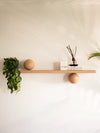
Using walls smartly not only adds extra storage but also brings visual depth. Think tall shelves, wall-mounted lights, hanging plants, or a gallery-style art wall. These details draw the eye upward and make a room feel larger, not busier.
This approach is especially useful in smaller homes. It keeps surfaces clear while letting your personality shine. Whether it’s added home storage or a decorative display, using vertical space well can transform a room from cramped to complete.

11. Skipping a Focal Point: When the Room Lacks Direction
Every room needs a moment, a piece that draws the eye and gives the space clarity. Without a focal point, a room can feel scattered, like it’s missing purpose. You might have beautiful furniture, great lighting, and stylish accessories, but if nothing anchors the space, it can all blend into background noise.
The fix? Decide what you want the room to highlight. It could be a statement mirror, a piece of art, or a bold pendant light. In living rooms, a well-placed sofa or a unique planter from your collection can also become the center of attention. From there, let the rest of the room support that moment.
A focal point doesn’t need to be loud, but it should be clear. When your eye knows where to land, everything else falls into place.

12. Mismeasuring Curtains: The Small Detail That Throws Everything Off
Curtains might not be the first thing you think of in a room, but they have a surprisingly big impact. Hang them too low or choose the wrong length, and the entire room can feel short or off-balance. It’s one of those small home decor mistakes that quietly disrupts the look and feel of a space.
The key? Go higher and wider. Mount your curtain rods closer to the ceiling to draw the eye upward, and choose lengths that just kiss the floor. This creates an illusion of height and softness, especially helpful in smaller rooms.
When done right, curtains frame your windows like a well-tailored outfit. It’s not just about coverage, it’s about giving your room a polished, elevated finish.

Final Thoughts: Design with Intention, Live with Ease
Every home tells its own story, and often, it’s the little details that leave the biggest mark. From thoughtful furniture placement to avoiding lighting mistakes, each design choice shapes how your space feels and functions. The good news? Most interior design slip-ups are easy to fix once you know what to look for.
Whether you're working with a cramped layout or trying to keep up with changing decor trends, small, intentional changes can make a big impact. Design doesn’t need to be flawless; it just needs to feel like home.
At Gharko, we believe in creating spaces that feel warm, grounded, and effortlessly stylish. Begin with intention, simplify where needed, and choose pieces that bring both comfort and clarity.
Because the best homes aren’t the most decorated; they’re the ones that are truly lived in.
Common Questions About Fixing Interior Design Mistakes
1. How do I fix a cluttered home layout?
Start by removing non-essential furniture and creating clear walking paths. Declutter in small, consistent sessions, assign a home for everything, and clear flat surfaces first. Use smart storage, rugs to define zones, and habits like “one in, two out” to keep the space calm and intentional.
2. Are interior design mistakes expensive to fix?
Most interior design mistakes are affordable to fix. Changes like rearranging furniture, improving lighting, or updating soft furnishings cost far less than renovations. Costs rise mainly when mistakes involve permanent elements like flooring or built-in cabinetry.
3. Can interior design mistakes be fixed without a full renovation?
Yes. Most interior design mistakes can be fixed without renovation. Improving layouts, adjusting lighting, adding rugs or curtains, and refining decor choices often resolve issues like poor scale or flow and dramatically improve how a space looks and feels.
4. What should I prioritize first when updating my home decor?
Start with a clear plan and budget, then declutter and fix layout and lighting issues. Address functional problems first before buying new decor. A strong foundation ensures better flow, comfort, and a cohesive look throughout your home.


