


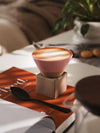


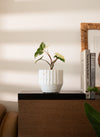








A decorative vase can make a noticeable difference to a room without changing the furniture or adding a lot of accessories. A tall ceramic vase on an entryway console, a glass vase with fresh flowers on the dining table, or a small sculptural piece on a bookshelf can each bring a different kind of character to a space.
The trick is knowing which vase suits the surface, whether it needs flowers, and how to make it work with the rest of your decor. A beautiful vase can look out of place if it is too large for the table or surrounded by too many objects. On the other hand, even a simple design can look well considered when its proportions, colour and placement are right.
You also do not need fresh flowers to create an attractive arrangement. Some vases look best with a few branches, while others are interesting enough to display on their own.
These decorative vase ideas will help you choose the right piece, style it for different rooms, and create arrangements that feel natural in your home.
What Makes a Vase Arrangement Look Well Styled?
A good arrangement is not simply about choosing an attractive vase. Its appearance also depends on the furniture beneath it, the objects around it, and the amount of space available.
Start with three things: proportion, contrast, and placement.
- Proportion: The vase should suit the size of the surface. A tall vase may look balanced on a console but overwhelming on a small bedside table.
- Contrast: Different shapes and textures can make an arrangement more interesting. A smooth ceramic vase, for example, can look particularly good beside natural branches or a wooden accessory.
- Placement: The vase needs enough room to stand out. Filling every corner of a table with decor can make even beautiful pieces difficult to appreciate.
Perfect symmetry is not always necessary. A vase placed slightly to one side of a console, with a smaller object on the other, can feel more relaxed than a display in which everything is lined up evenly.
Choose the Right Vase for Your Space

Before choosing flowers or decorative accessories, decide where the vase will go. The size and shape of the furniture will help you determine what works best.
↠ For a Console Table or Entryway
A console table is a useful place for a medium or tall vase because it gives the arrangement room to create visual height. A sculptural ceramic design can add interest even with just a few branches.
If there is a mirror or artwork above the console, consider how the vase will look against it. A simple silhouette can stand out against a detailed background, while a textured vase may add depth to a plain wall.
For a narrow entryway, avoid an arrangement that spreads too far across the table. Keep enough room for keys, a small tray, or other everyday essentials.
↠ For a Coffee Table
A shorter vase is often more practical on a coffee table. It can add colour or texture without blocking the view across the seating area.
Try placing a compact vase on a tray with a book or one small decorative object. If you use the coffee table daily, leave room for cups, remotes and other essentials.
↠ For a Dining Table
The vase should look attractive without getting in the way of meals. Choose a vase and flowers low enough for people to see one another comfortably across the table.
A wide vase can work as a centrepiece, but make sure it leaves enough room for serving dishes and tableware. For everyday use, a smaller arrangement may be easier to maintain.
↠ For Open Shelves and Sideboards
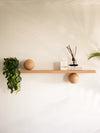
Small decorative vases can add character to shelves, especially when combined with books, framed photographs, or other personal objects.
Instead of putting a vase on every shelf, choose one or two spots where it can be noticed. Varying the heights of nearby objects helps the display look more natural.
When shopping for decorative vases online, compare the product dimensions with the space you have at home. Measurements are more reliable than photographs when judging whether a vase will fit comfortably.
Decide Whether to Use Fresh Flowers, Dried Stems or Nothing at All
A vase does not always need to be filled. Its shape and finish can be just as important as what you put inside it.
↠ Fresh Flowers for a Lively Arrangement
Fresh flowers are a good choice when you want to introduce colour and a natural element into a room. White flowers with green foliage, for example, can work well in a neutral living room, while seasonal blooms can bring more colour to a dining table.
Consider the opening of the vase before buying flowers. A narrow neck can hold a few stems in place, whereas a wider opening may need a fuller arrangement to look balanced.
You do not need a large bouquet. Sometimes a handful of carefully arranged stems looks better because the shape of the vase remains visible.
↠ Dried Flowers and Branches for Easy Styling
Dried grasses and branches are useful when you prefer an arrangement that does not need frequent replacing. Their natural shapes also work well with textured ceramic vases and earthy colours.
Choose stems with different heights or gentle curves, but avoid overcrowding the opening. A few well-positioned branches can create more impact than a dense bunch.
This style works particularly well on consoles, sideboards and other surfaces where a little extra height is welcome.
↠ Leave a Sculptural Vase Empty
Some vases are decorative objects in their own right. Unusual silhouettes, textured finishes and distinctive shapes can make them stand out without flowers.
An empty vase can be especially effective on a bookshelf or sideboard where there are already several colours and textures. It adds another form without making the display feel busy.
Before buying extra stems, try displaying the vase on its own. You may find that its shape is all the decoration the space needs.
Also Read: 5 Creative Flower Vase Arrangement Ideas for Every Room
Use Height and Shape to Create Balance
The vase and its contents should work together as one arrangement. A large, solid-looking vase pairs well with a few light branches, while a slender design suits a simpler group of stems.
The same principle applies to the furniture beneath it. On a wide console, a very small vase can appear lost. On a narrow shelf, a tall vase with spreading branches may feel crowded.
Try these combinations:
- Tall vase with long branches: Works well on an entryway console or sideboard with enough space above it.
- Low vase with a compact bouquet: Suitable for coffee tables and dining tables where visibility matters.
-
Small vase with delicate stems: A simple option for a bedside table, dresser, or home office.
- Sculptural vase without flowers: Ideal for shelves and surfaces where you want a decorative accent without a full arrangement.
Also pay attention to the shape of the stems. Curved branches can soften a room filled with straight furniture lines, while upright stems may complement a more structured interior.
The aim is not to follow a rigid measurement. It is to make sure the vase, flowers, and surrounding furniture feel proportionate to one another.
Select Colours That Complement Your Interior
A vase does not have to match the furniture exactly. A little contrast can make it more interesting, provided the colours still work with the rest of the room.
In a neutral interior with beige upholstery, wooden furniture and light walls, a vase in cream, muted green or warm brown can fit naturally into the palette. In a colourful room, a simpler vase may give the eye a place to rest.
Consider these combinations:
→ Cream, green and natural wood: Suitable for relaxed interiors with wooden furniture, plants and neutral textiles.
→ White, beige and soft grey: Works well in light, understated spaces where you want the vase to blend with the surroundings.
→ Terracotta, warm brown and muted cream: A natural-looking combination for rooms with earthy colours and warm finishes.
→ Black, white and glass: Can create contrast in modern interiors with clean lines and relatively simple furnishings.
A black vase can create a striking focal point against cream walls or pale wooden furniture. Pair it with white flowers for contrast or green foliage for a softer look.
If the room already contains patterned cushions or colourful artwork, use a restrained vase-and-flower combination. For example, a plain cream vase with green foliage can sit comfortably alongside a patterned sofa.
If you choose a brightly coloured vase, try repeating that colour in one existing detail, such as a cushion or a small area of an artwork.
Mix Textures to Make the Arrangement More Interesting
When you are working with a restrained colour palette, texture helps prevent a display from looking flat.
Ceramic and glass have different visual qualities. Ceramic vases can feel more substantial, especially when they have a matte, ribbed, or textured finish. Glass vases create a lighter appearance and allow the stems and water to remain visible.
Think about the objects around the vase as well. A smooth ceramic piece can look good beside natural wood or dried foliage. A glass vase can provide contrast on a dark sideboard, while a textured design can stand out against a plain wall.
You can combine the vase with a book, a wooden tray, or a candle holder, but keep the selection limited. Two or three objects with different shapes and finishes are often enough.
The goal is not to use as many materials as possible. Choose details that complement each other and leave sufficient space for the arrangement to breathe.
Also Read: Ceramic Vase vs Glass Vase: Which One Is Better for Home Decor?
Decorative Vase Ideas for Different Interior Styles
The right vase also depends on the overall style of your home. A piece that suits a minimal interior may look quite different in a more colourful or traditional space.
Minimalist Interiors
Choose a vase with a simple silhouette, restrained colours and little decorative detailing. A single vase with a few stems can create a focal point without adding clutter.
Japandi and Japanese-Inspired Interiors
Look for organic shapes, earthy shades and textured finishes. A ceramic vase with a few natural branches can work well with wooden furniture, linen fabrics, and other understated materials.
Explore Gharko's Japanese Vase Collection for designs suited to a quieter, sculptural look.
Contemporary Interiors
Modern rooms can accommodate both glass vases and distinctive ceramic designs. Consider using shape to create contrast. A rounded vase can soften a room with straight furniture lines, while a more angular piece may suit a structured console.
Traditional and Layered Interiors
In rooms with warm wood, patterned textiles or decorative furniture, choose a vase that complements the existing finishes. A neutral piece can bring some visual calm, while a colour already present in the room can help tie the arrangement together.
You do not need to follow a particular trend. Choose a design that fits your furnishings and that you will enjoy seeing every day.
Simple Vase Arrangements to Try at Home

You can create an attractive display without buying a large collection of accessories. Start with one vase and experiment with the objects you already own.
- The console arrangement: Place a tall vase at one end of the table, then add a small stack of books or a tray on the other side. Leave open space between them.
- The coffee table arrangement: Use a low vase with a few fresh stems and place it on a tray. Keep the remaining surface free for everyday use.
- The shelf arrangement: Set a small vase beside a horizontal stack of books. Vary the height of the objects instead of lining them up evenly.
- The natural branch arrangement: Place a few curved branches in a stable vase with enough room for their shapes to show. This adds height without needing many stems.
- The sculptural display: Choose a vase with an interesting finish or silhouette and leave it empty. Give it a clear spot on a sideboard or shelf.
- The seasonal arrangement: Keep a versatile vase and change the stems when you want a different look. Fresh flowers can brighten the space during celebrations, while dried stems are convenient for a longer-lasting display.
Before adding more accessories, try moving the vase to another part of the surface or removing an object nearby. Sometimes a small adjustment makes the whole arrangement feel more balanced.
Common Vase Styling Mistakes to Avoid
Even an attractive vase can look out of place when the proportions or surrounding objects are not right. A few simple changes can help.
- Choosing a vase that is too small: A tiny vase may disappear on a large sideboard. Try a larger piece or place it with one or two suitable accessories.
- Overfilling the vase: Too many stems can hide the shape of the vase. Remove a few and see whether a more open arrangement looks better.
- Introducing too many colours: A brightly coloured vase, multicoloured flowers and several decorative accessories may compete for attention. Keep the palette controlled.
- Ignoring the space above the vase: Tall branches can feel cramped beneath shelves or artwork. Check the available height before deciding on the arrangement.
- Filling every surface: A vase needs room to stand out. Avoid surrounding it with so many objects that its shape becomes difficult to see.
- Choosing a vase only for its flowers: The vase itself is part of the decor. Consider whether you would still like it on display when it is empty.
How to Choose Decorative Vases Online
When shopping for decorative vases online, product photographs are useful, but the details help you judge whether a piece will suit your home.
- Check the dimensions. Review the height, width and diameter, then compare them with your intended surface. This is especially important for tall vases and narrow shelves.
- Look at the opening. A narrow opening may work for a few stems, while a wider one may suit a fuller arrangement.
- Read the material description. Ceramic and glass create different visual effects. Check the finish and material details rather than relying on appearance alone.
- Consider weight and stability. A tall vase with long branches needs a stable base. Think carefully about placement if the surface is narrow or in a busy area.
- Check how the vase should be used. Do not assume every decorative vase is suitable for fresh flowers and water. Some pieces may be intended for dry styling only.
- Review the product images. Images from different angles, along with photographs showing the item in a room, can help you judge its shape and scale.
- Check delivery and return information. Read the current product and delivery details, especially when ordering a fragile item or buying a gift.
If you are comparing several designs, picture each one in the place where you intend to display it. A versatile vase that works on a console, shelf, or side table may be more useful than a piece that is difficult to place.
Explore Gharko's Decorative Vase Collection for ceramic and glass designs that can suit different rooms and interior styles.
Also Read: How to Choose the Perfect Flower Vase for Your Home: Size, Style & Placement Guide
Final Thoughts
A well-styled vase does not need to be the biggest or most elaborate piece in the room. It simply needs to suit the space, work with the surrounding decor, and look good with or without flowers.
Start by choosing where the vase will go. Then consider its size, shape, colour, and material before adding stems or other accessories. A tall vase with a few branches can bring interest to an entryway, while a smaller ceramic or glass design may be all a coffee table or bedside surface needs.
Most importantly, do not feel the need to fill every empty space. Leaving room around a vase often makes the arrangement look more considered.
Explore Gharko's Decorative Vase Collection and Japanese Vase Collection to find a design that suits your space and the way you like to style your home.
Frequently Asked Questions About Decorative Vase Ideas
What are some easy decorative vase ideas for beginners?
Start with one vase and a few stems that suit its height and opening. You can also leave a sculptural vase empty or place a small vase beside books on a console or shelf.
Do decorative vases look good without flowers?
Yes. A vase with an interesting silhouette, colour or textured finish can work as a decorative object on its own. Give it enough space so its shape remains visible.
Which vase is best for a coffee table?
A low or medium-height vase is usually practical because it is less likely to block views across the seating area. Choose a size that leaves sufficient room for everyday use.
Are ceramic vases better than glass vases?
Neither is universally better. Ceramic vases often have a more solid appearance and can feature textured finishes, while glass vases tend to look lighter. The right choice depends on your decor and intended arrangement.
How can I make a vase arrangement look balanced?
Consider the vase's size, the height and shape of the stems, and the furniture beneath it. Avoid overcrowding the arrangement and leave enough open space around the display.
What should I check before buying decorative vases online?
Check the dimensions, material, opening size, weight, care instructions and product photographs. Make sure the vase is suitable for the way you plan to use it and the surface where it will be placed.


