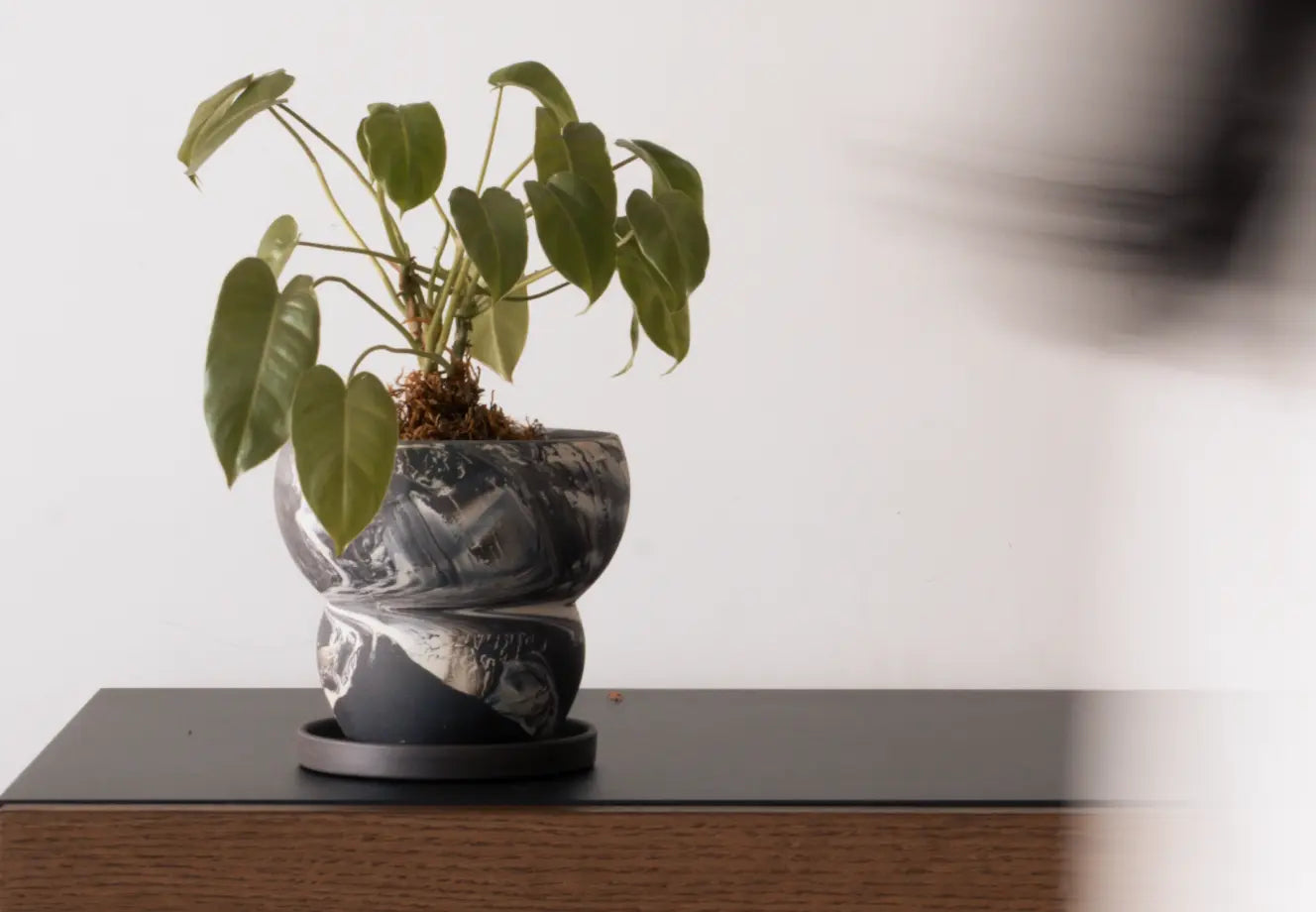













Plants do not always need pots to feel complete. Kokedama, often called a Japanese moss ball, is a simple way to bring nature into your home with intention and calm.
If you have ever wanted to style plants differently, a kokedama plant offers a beautiful alternative to traditional planters. This Japanese moss ball technique wraps roots in soil and moss, creating a living sculpture that feels organic, minimal, and quietly striking. It works beautifully in modern Indian homes, whether placed on a tray, styled on a shelf, or hung near natural light.
In this beginner's guide, you will learn how to make a kokedama step by step, choose the right plants, and follow an easy kokedama plant care routine. At Gharko, we believe plant styling should feel simple, mindful, and naturally beautiful, something you can create and enjoy every day.
What Is Kokedama? Why Kokedama Is Trending in Modern Homes
Kokedama, often known as a Japanese moss ball plant, is a planting technique where a plant’s roots are wrapped in a compact soil ball and covered with moss instead of being placed inside a traditional pot. The word "kokedama" translates to “moss ball” in Japanese, reflecting both its structure and its natural, organic beauty.
This technique originated from traditional Japanese bonsai practices and is deeply connected to the philosophy of Wabi-sabi, which appreciates imperfection, simplicity, and natural materials. Rather than hiding the plant inside a container, kokedama allows the plant itself to become the focal point, creating a soft, sculptural presence.
Today, kokedama has become popular in modern homes because it blends plant care with decor. It offers a thoughtful alternative to kokedama pots or planters, making plant styling feel more intentional, calm, and visually distinctive.
Step-by-Step Guide: How to Make Kokedama at Home
Learning how to make kokedama at home is simpler than it may seem. With the right materials and a beginner-friendly plant, you can create a beautiful kokedama moss ball that works as both plant care and decor. Follow these simple steps to make your first kokedama plant.
Step 1: Prepare the Plant

Start by removing your kokedama plant from its pot. Gently loosen and shake off excess soil from the roots without damaging them. If the roots are tightly bound, carefully separate them so they can spread naturally inside the kokedama ball.
Step 2: Create the Soil Ball

Mix bonsai soil with peat moss or coco peat and add small amounts of water until the mixture holds together like soft dough. This texture is important because it helps form a stable kokedama ball that keeps roots supported while retaining moisture.
Step 3: Shape Around the Roots

Take a portion of the soil mixture and press it around the plant’s roots, forming a compact ball. Ensure the soil is firm but not overly tight, allowing roots to breathe while keeping the structure intact.
Step 4: Apply the Moss Layer

Soak sheet moss or sphagnum moss in water, then gently wring out excess moisture. Wrap the moss around the soil ball evenly. This moss layer helps maintain humidity and gives the Japanese moss ball plant its signature natural finish.
Step 5: Secure With Twine or Thread

Use cotton thread, jute, or twine to wrap around the moss ball in multiple directions. This keeps the kokedama planter stable and prevents the moss from loosening. For a cleaner look, many beginners prefer green thread so it blends with the moss.
Step 6: Finish and Display

Tie a final knot and trim any extra thread. Your kokedama is now ready to display. You can place it on a small dish, style it on a tray, or add hanging string to create a floating Japanese moss ball kokedama feature near natural light.
Step 7: First Watering

Submerge the kokedama moss ball in a bowl of water for about 3 to 5 minutes, or until air bubbles stop rising. Gently squeeze out excess water before placing it back. This soaking method is the most effective way to support healthy kokedama plant care from the start.
Tip: If the soil mix does not hold shape, add a little more water or clay. Always choose plants suited to your home’s light conditions to help your kokedama stay healthy longer.
Watch: How to make kokedama step by step
Kokedama Plant Care Guide for Beginners
Proper kokedama plant care keeps your Japanese moss ball healthy and long-lasting.
- Watering (Soaking Method): Submerge the kokedama moss ball in water for 3–5 minutes until bubbles stop. Gently press to remove excess water before placing it back.
- How Often to Soak: Usually once a week. Soak more frequently in warm climates and less often in cooler or humid conditions.
- Light Requirements: Keep your kokedama plant in bright, indirect light. Avoid strong direct sunlight that can dry the moss quickly.
- Using Grow Lights: If natural light is limited, a grow light works well. Position the kokedama 20–30 cm below the light for 8–10 hours daily to support healthy growth.
- Humidity Tips: Light misting helps maintain moisture, especially in air-conditioned rooms or dry environments.
- Fertilising Guidance: Use a diluted liquid fertiliser every 4–6 weeks during the growing season to support healthy growth.
- Signs Your Kokedama Needs Water: The ball feels lightweight, moss looks dry, or leaves appear slightly droopy.
Kokedama Styling Ideas for Home Decor
Kokedama styling brings softness, movement, and a sculptural feel to modern homes without relying on traditional planters.
- Coffee table: Place a kokedama moss ball on a ceramic tray and pair it with books or candles to create a calm focal point.
- Shelf styling: Use kokedama to break visual repetition and add organic texture beside books or decor objects.
- Hanging kokedama: Suspend near windows to introduce vertical styling, ideal for small spaces with limited surface area.
- Bathroom styling: Humidity makes bathrooms perfect for ferns and other moisture-loving kokedama plants.
- Entryway styling: Style on a console with a tray, mirror, or lamp to create a warm first impression.
- Group styling: Combine multiple kokedama with trays or vases to create layered, curated plant displays.
Final Thoughts: Why Kokedama Fits Slow Living Homes
Kokedama encourages a slower, more mindful way to care for plants. The simple ritual of soaking, observing, and styling helps you feel more connected to nature while creating calm interiors that feel intentional rather than decorative.
As part of the slow decor movement, kokedama brings softness, natural texture, and quiet presence into everyday spaces. It reflects a shift toward meaningful home styling instead of quick trends.
If you enjoy this approach, you can explore more plant-styling essentials in Gharko’s home garden collection, where pieces are thoughtfully curated to support natural materials, gentle routines, and calm, everyday living.
Kokedama Frequently Asked Questions
What are kokedama balls?
Kokedama balls are plants whose roots are wrapped in a soil mixture and covered with moss instead of being placed in pots. This Japanese moss ball technique turns a simple plant into a decorative, sculptural living element.
Which plant is best for kokedama?
Beginner-friendly plants like pothos, ferns, philodendron, peace lily, syngonium, spider plants, and orchids work well. These plants adapt to indoor conditions and respond well to the moisture-retaining environment of a kokedama moss ball.
How often should I soak kokedama?
Most kokedama need soaking once a week. In warmer Indian homes, you may need to soak every 4–5 days. If the ball feels lightweight or the leaves droop slightly, it is time to water.
How to keep a kokedama alive?
Keep your kokedama in bright, indirect light, soak regularly, mist occasionally, and use diluted fertiliser monthly. Observing weight, moss moisture, and leaf health is the simplest way to maintain long-term plant health.
When to repot kokedama?
Repot when roots start growing through the moss, the ball loses shape, or plant growth slows. This usually happens after 12–18 months, depending on plant type and growing conditions.
What are common kokedama mistakes?
Overwatering, using the wrong soil mix, choosing large plants, placing them in harsh sunlight, and letting moss dry completely are common mistakes. Tight wrapping can also restrict root growth over time.
What is the significance of kokedama?
Kokedama represents simplicity, natural beauty, and mindful plant care rooted in Japanese design philosophy. It encourages slower routines, closer observation, and a deeper connection with nature in everyday living.
How long do kokedama balls last?
With proper kokedama plant care, the moss ball structure can last 1–2 years before reshaping. The plant itself can live much longer if regularly maintained, repotted when needed, and placed in suitable light conditions.