





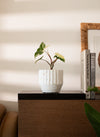











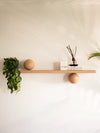


Every room in your home has a job, but it can also have a feeling. Japandi decor helps you shape that feeling with calm, intentional, and cozy choices that work in real life. Instead of redecorating everything at once, you can apply this style room by room, tuning it to how you actually live.
In this guide, we walk through each space with clear, practical ideas you can start using right away. You will see how small shifts in layout, light, furniture, and decor can make your home feel softer, more open, and easier to breathe in. At Gharko, we believe good design should feel welcoming, not intimidating, so you will find simple tips that help you create a calm, modern home that still feels personal and lived in.
How to Apply Japandi Style Room by Room
Japandi interior design follows the same quiet principles everywhere. To understand these foundations more deeply, you can start with our Japandi home decor beginner’s guide before exploring how the style adapts room by room. The difference lies in how you shape each space so your living room, bedroom, kitchen, and workspace feel connected without feeling repetitive.
Japandi Living Room Ideas
The living room is often where Japandi interior design feels most immediate. With a few thoughtful choices, this space can feel relaxed, grounded, and welcoming without a full makeover.

Layout and Furniture
In a Japandi living room, keep the layout simple and close to the ground. Choose a clean-lined sofa in a neutral fabric with a slim wooden or matte coffee table. Add a bench or a couple of poufs you can move easily when guests arrive, and leave space around each piece so walkways stay clear and the room feels open. Light, uncluttered walls help natural light travel and keep everything feeling soft.
Also Read: 15 Living Room Decor Essentials for a Stylish and Functional Space
Lighting and Decor
Let lighting and decor stay gentle. Use one warm, soft Japandi lamp as the main focal point, either on a side table or as a floor lamp. Keep shelves edited with a ceramic vase, a small stack of books, and one simple plant. These small, intentional choices make the room feel welcoming and easy to relax in.
Japandi Bedroom for Calm Sleep
A Japandi bedroom should feel like a quiet pause at the end of the day. The focus here is on simplicity, comfort, and visual ease.

Bed, Storage, and Layout
Start with a low bed or platform bed in simple wood or a neutral finish to keep the room grounded and calm. Use hidden storage, such as under-bed boxes and built-in wardrobes, to keep clothes and extras out of sight. Keep bedside tables clear, with only what you truly need at night, so your Japandi bedroom feels larger, lighter, and easier to relax in.
Textiles and Lighting
Textiles and lighting bring warmth to Japandi style. Choose soft linen or cotton bedding in gentle neutrals and layer lightly. Use warm bedside lamps instead of a bright ceiling light, and add one artwork, one small vase, and one plant for quiet character.
Also Read: How to Make Your Bedroom Cozy in 8 Easy Styling Steps
Japandi Kitchen and Dining Spaces
The kitchen and dining area are where Japandi interior design becomes especially practical. With the right materials and a sense of restraint, these everyday spaces can feel warm and welcoming.

Materials and Colour Palette
Start with wood tones wherever possible, whether in cabinets, a dining table, or even just chairs and open shelving. Wood instantly warms up a Japandi kitchen and pairs beautifully with simple stone or tile. Keep the palette neutral with soft whites, warm beige, light or mid-tone wood, and subtle charcoal or black accents in hardware. Simple backsplashes and clean hardware keep the space looking quiet and uncluttered, even on busy mornings.
Open Shelving and Tableware
Open shelving works beautifully in a Japandi interior, as long as it stays curated. Display a few everyday pieces in simple shapes and soft colours like off-white, sand, or muted grey. Stack plates neatly, group bowls, and add one or two ceramic vases for texture. Above the dining table, warm, focused lighting creates a cozy and intimate atmosphere for meals. Together, these small choices bring Japandi design into your home in a practical, lived-in way.
Japandi Home Office or Study Nook
A Japandi home office should support focus without feeling cold or rigid. The goal is a workspace that feels clear, light, and comfortable.

Desk Setup and Ergonomics
Choose a clean, simple desk that holds only your essentials: laptop, notebook, pen, and maybe one tray. Pair it with a comfortable, ergonomic chair that still looks clean and visually calm. Try to hide cables with clips, boxes, or built-in channels so they do not tangle around your feet or clutter the view. A clear surface instantly makes your Japandi home office feel more organised and calm.
Mood, Focus, and Decor
Keep the mood soft. A fabric pinboard or slim shelf is enough for notes and a few inspiring images, without turning the wall into visual noise. Add one plant, one lamp, and one small personal object you love. Stick to a calm colour palette so your eyes and mind can rest between tasks.
Small Corners, Entryways, and Balconies
Japandi home decor shines in the in-between spaces that quietly set the tone for the rest of the home.

Entryways and Transitional Areas
In the entryway, keep things simple and useful. A slim bench gives you a place to sit while you put on shoes, and hooks above can hold bags, coats, and scarves so they do not pile up on chairs. Add a small tray or bowl for keys and everyday bits you reach for as you leave. One artwork or a mirror helps open the space and makes it feel intentional instead of leftover.
Balconies and Compact Corners
For balconies and tiny corners, think in layers. A couple of compact planters and a small stool or floor cushions create a cozy Japandi-style perch. Add one vase or lantern for soft light, and use vertical space with shelves, wall hooks, or hanging plants so the area feels lush but not crowded.
Essential Japandi Home Decor Elements for Every Room
Certain choices help every room feel connected, so your home reads as one calm Japandi space rather than separate styles.
Furniture: Low, Clean, and Practical
Japandi furniture should feel quiet and hardworking.

- Choose low sofas, platform beds, and simple dining tables
- Use bench seating that can move between rooms
- Add floating shelves to display a few everyday objects while keeping floors and surfaces clear
- Keep only what supports comfort, storage, or daily rituals
This keeps spaces feeling light and easy to live with.
Lighting: Soft, Layered, and Warm
Lighting is what gives Japandi rooms their cozy, evening calm.

- Mix table lamps, floor lamps, and ceiling lights
- Use warm bulbs, paper shades, and candles
- Avoid harsh white light, especially in living and bedroom spaces
Also Read: How to Choose the Perfect Lamp for Every Room in Your Home
Textiles: Cozy but Minimal
Textiles are what make Japandi home decor feel soft without looking busy. Keep the base simple and let texture do the work.

- Choose linen curtains, cotton throws, and wool rugs
- Keep patterns subtle and let texture lead
- Stick to neutral or muted colours for visual calm
Decor and Accessories: Intentional and Meaningful
In Japandi style, small details carry a lot of weight, so choose them with care.

- Use handmade ceramics, books, trays, and framed art
- Group items in small clusters
- Leave empty space so surfaces can breathe
Greenery: Plants as Calm Focal Points
Plants complete Japandi interior design by bringing in quiet life and movement.

- Choose one to three plants per room
- Use simple, neutral planters
- Place them to soften corners and hard edges
Also Read: Indoor Plant Styling with Ceramic Planters: A Complete Guide for Indian Homes
Final Thought: Designing a Japandi Home One Room at a Time
Creating a Japandi home is really about three things: how you arrange a room, how you light it, and which few pieces you choose to keep. When you focus on layout, soft layered light, and simple, well-loved furniture and decor, Japandi home decor trends become less about fashion and more about everyday comfort. Japandi decor then feels natural in every space, not just styled for photos.
You do not need to change your whole home at once. Pick one room or even one corner and try these ideas there first. Notice how it feels to walk into that space. In the next part of this guide, we will explore Japandi colour palettes, styling tips, and sustainable choices so your Japandi interior design feels calm, cohesive, and kind to live with over time.
Frequently Asked Questions About Japandi Decor
1. What are the key elements of Japandi decor?
Japandi decor blends Japanese minimalism and wabi-sabi with Scandinavian warmth. It focuses on low, clean furniture, natural wood and raw materials, clutter-free layouts, soft neutral colours, warm lighting, and a few well-placed plants to create calm, functional, lived-in spaces.
2. What are common Japandi decor mistakes?
Common Japandi decor mistakes include overcrowding spaces, using harsh or cool lighting, and choosing furniture that feels bulky or overly decorative. Treating Japandi as strict minimalism can also make rooms feel cold. The style works best when natural textures, warm neutrals, functional pieces, and a sense of comfort are carefully balanced.
3. What colors work best in a Japandi living room?
Japandi living rooms suit soft, natural colours like warm white, sand, beige, taupe, and muted grey. These shades create openness and pair effortlessly with light to mid-tone wood. Deeper accents such as sepia brown, charcoal, or black add grounding contrast, helping the space feel warm, balanced, and quietly inviting.
4. What are the rules for Japandi design?
Japandi design follows a few simple rules: declutter intentionally, prioritise function, and embrace wabi-sabi imperfection. Use natural materials, mix warm wood tones, and keep a neutral palette with gentle contrast. Bring nature indoors with plants and rely on soft, ambient lighting to create calm, timeless, and livable spaces.


