













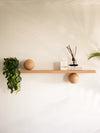


Your home does not need new furniture, expensive renovations or a professional interior designer to look beautifully put together. Sometimes, the difference between an ordinary-looking room and one that feels thoughtfully designed comes down to a few details: the way the lighting falls, the balance of colours, the textures you combine and the amount of space you leave around your decor.
Think about a living room with a comfortable sofa, a coffee table and attractive furniture, yet something still feels missing. Now imagine the same room with a warm table lamp, a textured cushion, a sculptural vase and a carefully arranged coffee table. The furniture has not changed, but the room feels more complete.
That is the idea behind modern luxury home decor. It is not about making every corner expensive or filling your home with designer accessories. It is about choosing elements that work together, creating visual balance and paying attention to the small details that make a space feel finished.
The best part? You can start with what you already own.
Here are practical ways to give your home a designer look, from simple styling changes to carefully chosen decor upgrades.
1. Start by Editing Your Space, Not Buying More Decor
One of the easiest ways to improve a room is to remove the things that are distracting from it.
Over time, shelves collect small decorative objects, coffee tables become storage spaces and sideboards fill up with items that no longer have a clear purpose. Even beautiful accessories can lose their impact when too many are displayed together.
Start by looking at one surface at a time. Clear your coffee table, console or bedside table and put everything aside. Then return only the items you genuinely want to display or use.
For example, a coffee table might need just three elements: a decorative tray, a book and a small sculptural vase. A console may look more balanced with a lamp at one end and a decorative object at the other, rather than several small pieces arranged in a line.
Try this before shopping: Take a photograph of the room from the doorway. Look at where your eyes go first. If too many objects compete for attention, remove a few and photograph it again.
This simple exercise can help you see your existing furniture and accessories differently. A more considered arrangement often makes a room feel more refined without costing anything.
2. Choose a Colour Palette That Makes Everything Feel Connected
A room can contain attractive furniture and decor but still feel disjointed when every item introduces a different colour. A consistent palette helps the space feel intentional.
You do not have to make your entire home beige or white. The key is to choose a few colours that work together and repeat them across different elements.
Consider these combinations:
- Warm white, beige and natural wood: Works well for calm, welcoming interiors.
- Cream, olive green and warm brown: Adds depth while keeping the overall look natural.
- Soft grey, white and black accents: Creates a cleaner, more contemporary appearance.
- Terracotta, muted cream and natural textures: Brings warmth to a room without making it feel overly colourful.
Suppose your living room already has a beige sofa and wooden furniture. Instead of buying entirely new accessories, introduce a cushion in olive green, a ceramic vase in a warm neutral shade and a throw that complements both.
The repeated colours help connect the elements.
You can also use contrast deliberately. A dark decorative object against a light wall can become a focal point, while a light-coloured vase on a darker sideboard can create visual interest.
The aim is not to make everything match exactly. It is to help the different elements feel as though they belong in the same room.
3. Upgrade Your Lighting Before Replacing Your Furniture

Lighting has a significant effect on how a room feels. Even a beautifully furnished space can appear flat when it relies entirely on one bright ceiling light.
A more layered approach gives you flexibility throughout the day.
Use Three Types of Lighting
Ambient lighting provides the general illumination for a room. This commonly comes from ceiling lights or other fixtures that illuminate a broad area.
Task lighting helps with specific activities. A reading lamp beside an armchair or a light on a work desk is a practical example.
Accent lighting draws attention to a particular area or creates atmosphere. A decorative table lamp, for instance, can bring attention to a console or create a softer pool of light in the evening.
You do not need to install all-new fixtures to achieve this. If your room already has ceiling lighting, consider adding one well-placed table lamp or floor lamp.
Also think about the quality of the light. For relaxed spaces such as bedrooms and living rooms, warm lighting often creates a more inviting atmosphere than harsh, cool illumination. Check the bulb's colour temperature and brightness before purchasing.
A sculptural lamp can serve two purposes: it provides useful light and acts as a decorative feature when switched off.
Explore Gharko's Lamps & Lighting Collection for ways to introduce a lighting feature without redesigning the whole room.
4. Use Texture to Make a Room Feel Richer

A sophisticated interior is not necessarily filled with expensive materials. Often, it is the variation in texture that makes the space visually interesting.
Imagine a living room where the sofa, curtains, rug and cushions all have a similar smooth finish. The room may look neat, but it can also feel a little flat.
Now introduce a textured cushion, a soft throw, a ceramic vase and a wooden tray. The colours may remain almost the same, yet the room gains depth because the surfaces interact differently.
How to Combine Textures
Start with the materials already present in the room, then add one or two contrasting finishes.
A smooth coffee table can work well with a textured ceramic object. A soft fabric sofa can be complemented by a structured tray or a glass vase. A wooden sideboard can provide an interesting background for a lamp with a fabric shade.
The trick is to avoid introducing too many unrelated finishes at once. Choose textures that complement the style of the furniture and the overall palette.
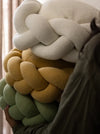
Soft furnishings are especially useful because they can be changed without replacing major pieces. A different cushion cover or throw can introduce a new texture and make a familiar room feel refreshed.
For a more refined look, focus on the quality and combination of the materials rather than the quantity of accessories.
5. Make Your Coffee Table and Console Look Professionally Styled
Small surfaces can have an outsized effect on the appearance of a room because they are often directly in the line of sight. Styling them carefully is one of the simplest ways to create a designer-inspired finish.
The Coffee Table
Begin with one main object, such as a decorative tray or a sculptural vase. Add a book or a second accessory with a different height or shape.
For example, a low tray, a horizontal stack of books and a small ceramic vase can create an arrangement with variation without occupying the entire table.
If your coffee table is used regularly, keep some space clear for drinks and everyday items. A display that looks attractive but makes the table difficult to use will soon become frustrating.
The Console Table
A console gives you more opportunity to introduce height. A lamp or tall vase can anchor one side, while a smaller decorative object balances the other.
If there is a mirror or artwork above the console, consider how the objects below relate to it. The arrangement should complement the wall rather than compete with it.
Open Shelves
Avoid placing an accessory on every available shelf. Instead, alternate books with a few decorative objects and leave some sections relatively open.
Varying the heights and shapes creates a more natural display. You can also turn some books horizontally to introduce a different line or create a small platform for an object.
For additional inspiration, browse Gharko's Home Decor Collection.
6. Choose One or Two Statement Pieces Instead of Many Small Accessories

A common mistake when trying to achieve a luxury look is buying lots of small decor items. Individually, they may be attractive, but together they can create visual clutter.
A more effective approach is to give one or two pieces a clear role in the room.
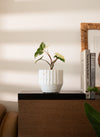
A sculptural vase on a sideboard, a distinctive lamp beside the sofa or a large piece of artwork above a console can create a focal point. The surrounding decor can then remain relatively simple.
The statement piece does not have to be particularly colourful. Shape, proportion and texture can be just as effective.
For instance, a ceramic vase with an unusual silhouette may be enough to bring interest to a neutral console. It can be displayed with a few stems or left empty if the form itself is distinctive.
Before buying a statement item, consider its size. A very small object may disappear on a large surface, while an oversized piece can dominate a compact room.
Explore Gharko's Decorative Vase Collection for pieces that can add shape and character to a shelf, console or sideboard.
7. Refresh Your Bedroom With Small, Thoughtful Changes

A bedroom can look more polished without changing the bed, wardrobe or other large furniture.
Start with the bed because it usually occupies the most visual space in the room. Straighten the bedding, arrange the pillows neatly and introduce one or two complementary textures.
You do not need multiple layers of cushions. A well-chosen pair of accent cushions or a throw folded at the foot of the bed can be enough.
Next, look at the bedside tables. If they are crowded with chargers, books and miscellaneous items, clear what you do not need. A table lamp, a small tray or one decorative object can make the surface look more organised.
Lighting matters here, too. A softer bedside light can make the room feel more inviting in the evening and provide a useful alternative to bright overhead lighting.
Finally, pay attention to what is visible from the doorway. A clear walkway, a neatly arranged bed and a restrained bedside display can make the entire room feel calmer.
These changes are relatively small, but together they can make a noticeable difference to how finished the bedroom looks.
8. Add Fragrance to Complete the Experience
A well-designed home is not only about what you see. Scent can also influence how a space feels, particularly when you enter a room or settle down in the evening.
Home fragrance can be a finishing touch once the lighting, colours and styling are in place.
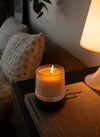
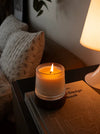
A reed diffuser may suit an entryway or shelf where you want a continuous, subtle fragrance. A scented candle can be used when you want to create a more intimate atmosphere in the evening. The container itself can also contribute to the decor when it is not in use.
Choose fragrance carefully. Strong scents can become overwhelming in compact rooms, so a subtle option may be more suitable for a bedroom or a small sitting area. If your home already has several competing fragrances, it may be better to use just one at a time.
For a cohesive look, choose a candle or diffuser whose vessel complements the surrounding accessories rather than introducing an unrelated colour or finish.
Browse Gharko's Candles Collection and Home Fragrance Collection for finishing touches that work alongside your decor.
9. Pay Attention to Curtains, Artwork and Empty Wall Space
Decorating does not stop at the furniture. Walls and windows help determine whether a room feels balanced.
Curtains that are too short or poorly fitted can make an otherwise attractive room feel unfinished. Check that the length and placement suit the window and the height of the room. If you are changing curtains, consider how their colour and texture will work with the walls and furniture.
Artwork can also help create a focal point, but scale matters. A very small frame above a large sofa may appear disconnected, while an oversized piece on a narrow wall can feel overwhelming.
Before buying anything new, experiment with the pieces you already own. Try changing the position of artwork, grouping smaller frames together or moving a decorative object to a wall that needs more visual interest.
Empty space is not necessarily a problem that needs solving. A clear wall can give nearby furniture or artwork more impact. The goal is to create balance, not to cover every available surface.
10. A Simple Plan for a Designer-Looking Home on a Budget
You do not have to change every room at once. Working in stages helps you spend more carefully and see which changes make the biggest difference.
- Step 1: Declutter one room. Remove unnecessary items from visible surfaces and identify the areas that still feel unfinished.
- Step 2: Check the lighting. See whether the room would benefit from a table lamp, a more suitable bulb or a better-positioned light.
- Step 3: Establish a colour direction. Use the colours in your existing furniture as the starting point, then choose a small number of complementary shades.
- Step 4: Introduce texture. Consider a cushion, throw or decorative piece that adds a different surface or finish.
- Step 5: Style one key surface. Arrange a coffee table, bedside table or console with only a few carefully chosen objects.
- Step 6: Add one finishing detail. Depending on the room, this might be a vase, candle, lamp or subtle home fragrance product.
After each change, look at the room from the doorway and see whether the result feels more balanced. This makes it easier to identify what is genuinely missing rather than buying items simply because they look attractive online.
Common Mistakes That Can Make a Home Look Less Refined
- Buying decor before deciding where it will go: Even an attractive object can become clutter when there is no suitable place for it. Measure the available space and think about its purpose before purchasing.
- Using too many statement pieces: When every object is designed to attract attention, nothing stands out. Choose one or two focal points and keep the surrounding elements simpler.
- Ignoring scale: Large furniture usually needs decor with enough visual presence to complement it. Conversely, compact surfaces need objects that fit comfortably without crowding the space.
- Relying on a single light source: One bright ceiling light may leave the room feeling flat in the evening. Consider whether another light source could add flexibility and atmosphere.
- Matching everything too closely: A room where every material and colour is identical can lack depth. Introduce a little contrast through texture, shape or a carefully selected accent colour.
- Filling every empty space: Open areas allow the furniture, artwork and accessories to stand out. You do not need an object on every shelf or table.
Final Thoughts
Giving your home a designer look is less about replacing what you own and more about making better use of it. A cleared coffee table, a well-placed lamp, a considered colour palette and a few contrasting textures can change the feel of a space more than a collection of unrelated accessories.
Start with the room you use most, identify what feels unfinished and make one change at a time. You may discover that the furniture is already right and that the room simply needs better lighting, more balanced styling or one distinctive decorative piece.
For modern luxury home decor, the details matter: choose accessories that complement your existing interiors, pay attention to proportion and allow your favourite pieces room to stand out.
Explore Gharko's collections of lighting, decorative vases, candles and home fragrance to find finishing touches that help your home feel more personal, polished and complete.
Frequently Asked Questions
1. How can I make my home look luxurious without spending a lot?
Start with decluttering, better lighting and thoughtful styling. Rearranging existing decor, introducing a few contrasting textures and creating a consistent colour palette can make a room feel more complete without replacing furniture.
2. What are the key elements of modern luxury home decor?
A cohesive colour palette, balanced proportions, layered lighting, tactile materials and carefully chosen accessories are useful starting points. The aim is to create a comfortable, well-considered interior rather than filling the room with expensive objects.
3. What is the difference between modern luxury decor and traditional luxury interiors?
Modern luxury decor often focuses on cleaner lines, considered layouts, restrained colours and a balance of materials. Traditional luxury interiors may use more ornamental details and classic forms. Both can feel sophisticated when the design choices work together.
4. Which home decor items can make the biggest difference?
Lighting, decorative vases, cushions, throws, artwork and carefully selected accessories can change the appearance of a room without requiring major renovations. The most useful choice depends on what the room is missing.
5. How do I make a small living room look more expensive?
Keep visible surfaces organised, choose decor that suits the scale of the furniture and avoid overcrowding. A well-placed lamp, a few coordinated textures and one focal accessory can give a small living room a more polished look.
6. Do I need matching decor throughout my home?
No. Rooms can have their own character while still feeling connected. Repeating a few colours, materials or finishes across different spaces can create continuity without making every room look identical.


